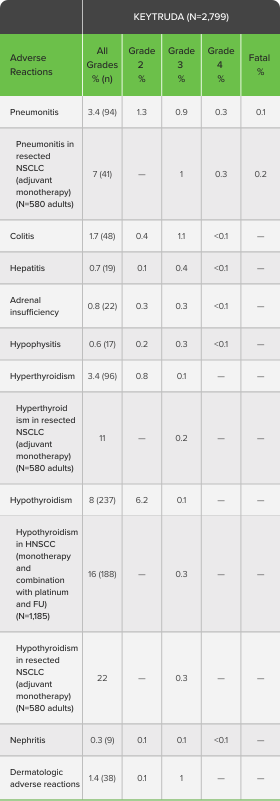
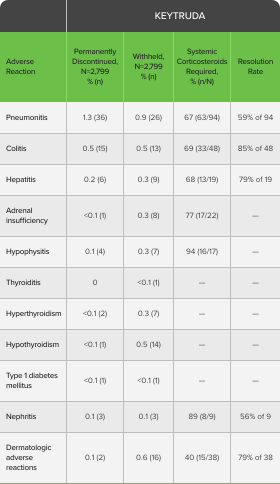
The safety of KEYTRUDA was evaluated in 696 patients with HER2-positive gastric or GEJ cancer enrolled in KEYNOTE-811, which included 350 patients treated with KEYTRUDA 200 mg, trastuzumab, and CAPOX (n=297) or FP (n=53) every 3 weeks, compared to 346 patients treated with placebo, trastuzumab, and CAPOX (n=298) or FP (n=48) every 3 weeks.
The median duration of exposure to KEYTRUDA was 9.2 months (range: 1 day to 33.6 months).
In KEYNOTE-811, fatal adverse reactions occurred in 3 patients who received KEYTRUDA in combination with trastuzumab and CAPOX (capecitabine plus oxaliplatin) or FP (5-FU plus cisplatin) and included pneumonitis in 2 patients and hepatitis in 1 patient. KEYTRUDA was discontinued due to adverse reactions in 13% of 350 patients with locally advanced unresectable or metastatic HER2-positive gastric or GEJ adenocarcinoma. Adverse reactions resulting in permanent discontinuation of KEYTRUDA in ≥1% of patients were pneumonitis (2.0%) and pneumonia (1.1%). In the KEYTRUDA arm vs placebo, there was a difference of ≥5% incidence between patients treated with KEYTRUDA vs standard of care for diarrhea (53% vs 47%), rash (35% vs 28%), hypothyroidism (11% vs 5%), and pneumonia (11% vs 5%).
The most common adverse reactions (reported in ≥20%) in patients receiving KEYTRUDA in combination with chemotherapy or chemoradiotherapy were fatigue/asthenia, nausea, constipation, diarrhea, decreased appetite, rash, vomiting, cough, dyspnea, pyrexia, alopecia, peripheral neuropathy, mucosal inflammation, stomatitis, headache, weight loss, abdominal pain, arthralgia, myalgia, insomnia, palmar-plantar erythrodysesthesia, urinary tract infection, hypothyroidism, radiation skin injury, dysphagia, dry mouth, and musculoskeletal pain.