|
|
|
|
|
KEYTRUDA, in combination with paclitaxel, with or without bevacizumab, is indicated for the
treatment of adult patients with platinum-resistant epithelial ovarian, fallopian tube, or
primary peritoneal carcinoma whose tumors express PD-L1
(CPS ≥1) as determined by an FDA-authorized test, and who have received 1 or 2 prior systemic
treatment regimens.
|
|
|
Now approved: A treatment option for adult patients with platinum-resistant ovarian cancer (PROC)
whose tumors express PD-L1 (CPS ≥1) and who have received 1 or 2 prior systemic
treatment regimens.
|
|
|
|
|
|
|
Review the efficacy, safety, and study design from KEYNOTE-B96 below.
|
|
|
SELECTED SAFETY INFORMATION
|
|
|
Severe and Fatal Immune-Mediated Adverse Reactions
|
|
| • |
KEYTRUDA is a monoclonal antibody that belongs to a class of
drugs that bind to either the programmed death receptor-1 (PD-1) or the programmed death ligand 1 (PD-L1), blocking the PD-1/PD-L1 pathway,
thereby removing inhibition of the immune response, potentially breaking peripheral
tolerance and inducing immune-mediated adverse reactions. Immune-mediated adverse
reactions, which may be severe or fatal, can occur in any organ system or tissue, can
affect more than one body system simultaneously, and can occur at any time after starting
treatment or after discontinuation of treatment. Important immune-mediated adverse
reactions listed here may not include all possible severe and fatal immune-mediated
adverse reactions.
|
|
|
|
Selected Safety Information continues below.
|
|
|
Superior progression-free survival (PFS) and overall survival
(OS) with KEYTRUDA in combination with paclitaxel ± bevacizumab vs paclitaxel ± bevacizumab
alone in adult patients with PROC whose tumors expressed PD-L1 (CPS ≥1)
|
|
|
|
|
PFS in KEYNOTE-B96 (CPS ≥1)
|
|
| • |
28% reduction in the risk of disease progression or death
with KEYTRUDA + paclitaxel ± bevacizumab vs placebo
+ paclitaxel ± bevacizumab (HR=0.72; 95% CI,
0.58–0.89; Pa=0.0014)
|
| • |
The number of
patients with an event was 162/234 (69%) with KEYTRUDA + paclitaxel ± bevacizumab vs
180/232 (78%) with placebo + paclitaxel ± bevacizumab
|
|
|
|
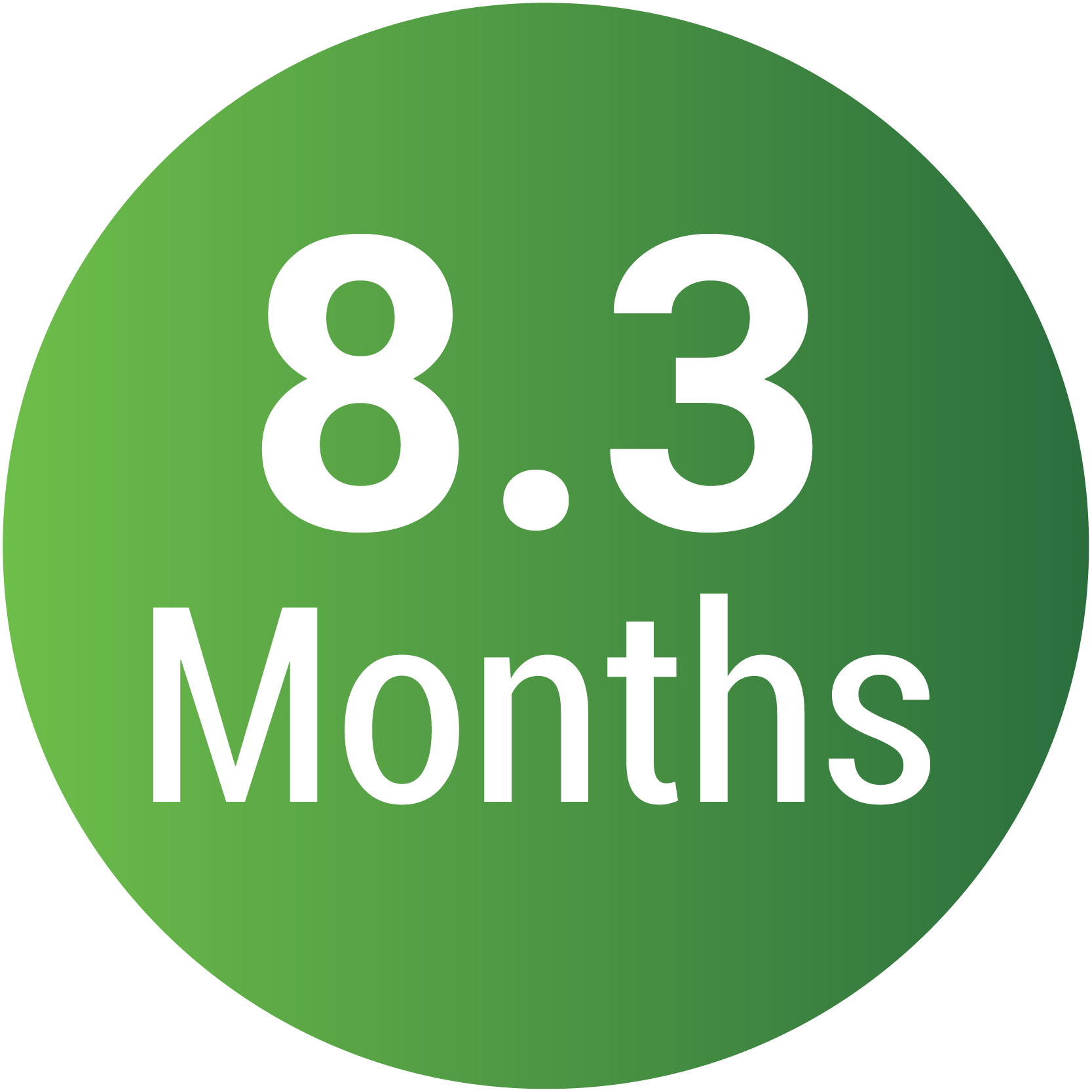
Median PFS was 8.3 months (95% CI, 7.0–9.4) with
KEYTRUDA + paclitaxel ± bevacizumab vs 7.2 months (95% CI, 6.2–8.1) with placebo +
paclitaxel ± bevacizumab
|
|
|
|
|
OS in KEYNOTE-B96 (CPS ≥1)
|
|
| • |
24% reduction in the risk of death with KEYTRUDA +
paclitaxel ± bevacizumab vs placebo + paclitaxel ±
bevacizumab (HR=0.76; 95% CI, 0.61–0.94;
Pb=0.0053)
|
| • |
The number of
patients with an event was 157/234 (67%) with KEYTRUDA + paclitaxel ± bevacizumab vs
175/232 (75%) with placebo + paclitaxel ± bevacizumab
|
|
|
|
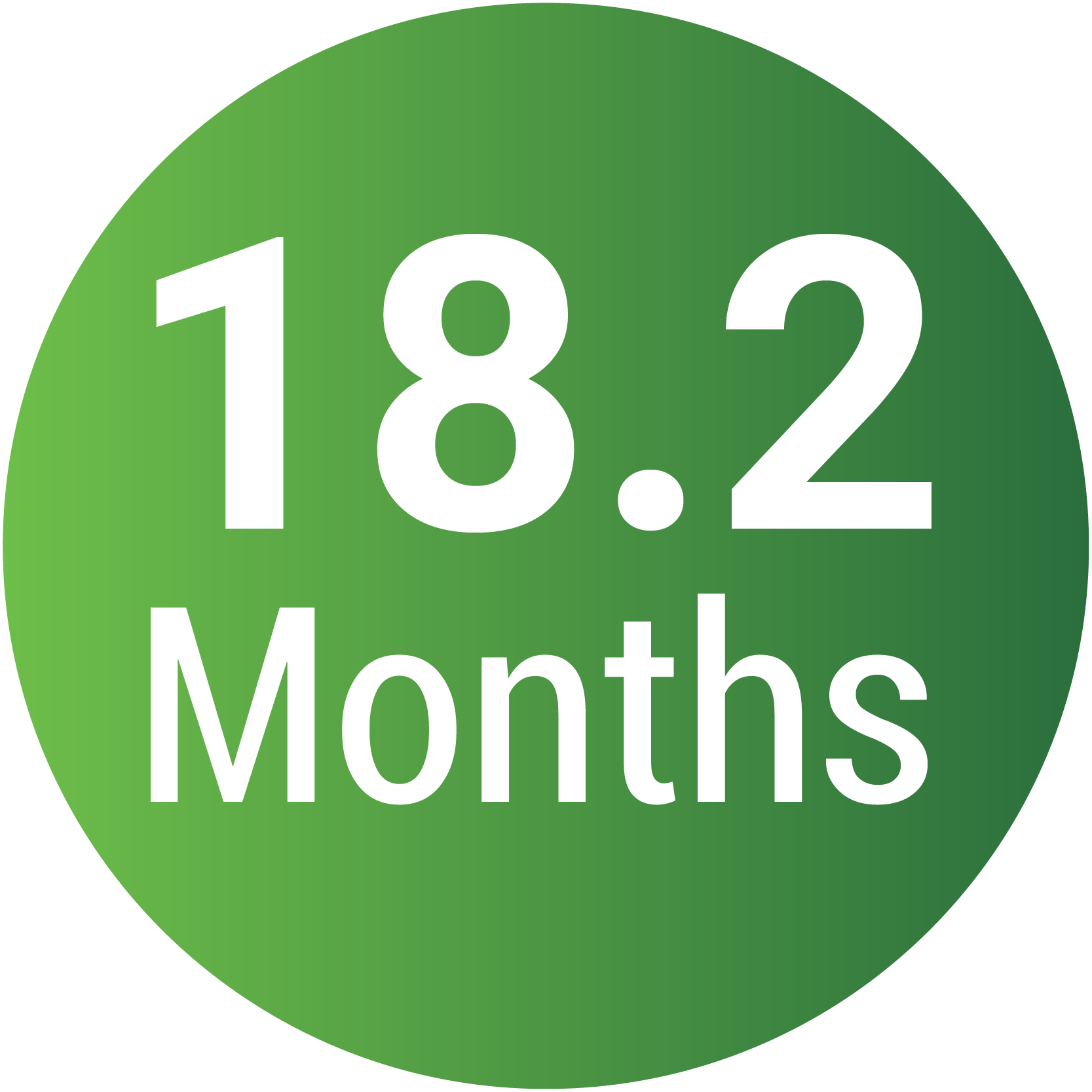
Median OS was 18.2 months
(95% CI, 15.3–21.0) with
KEYTRUDA + paclitaxel ±
bevacizumab vs 14.0 months
(95% CI, 12.5–16.1) with
placebo + paclitaxel ±
bevacizumab
|
|
|
|
|
|
|
|
|
|
|
SELECTED SAFETY INFORMATION
(continued)
|
|
|
Severe and Fatal Immune-Mediated Adverse Reactions
(continued)
|
|
| • |
Monitor patients closely for symptoms and signs that may be
clinical manifestations of underlying immune-mediated adverse reactions. Early
identification and management are essential to ensure safe use of anti–PD-1/PD-L1 treatments. Evaluate liver enzymes, creatinine, and thyroid
function at baseline and periodically during treatment. In cases of suspected
immune-mediated adverse reactions, initiate appropriate workup to exclude alternative
etiologies, including infection. Institute medical management promptly, including
specialty consultation as appropriate.
|
|
|
| • |
Withhold or permanently discontinue KEYTRUDA depending on
severity of the immune-mediated adverse reaction. In general, if KEYTRUDA requires
interruption or discontinuation, administer systemic corticosteroid therapy (1 to 2
mg/kg/day prednisone
or equivalent) until improvement to Grade 1 or less. Upon improvement to Grade 1 or less,
initiate corticosteroid taper and continue to taper over at least 1 month. Consider
administration of other systemic immunosuppressants in patients whose adverse reactions
are not controlled with corticosteroid therapy.
|
|
|
|
Immune-Mediated Pneumonitis
|
| • |
KEYTRUDA can cause immune-mediated pneumonitis. The
incidence is higher in patients who have received prior thoracic radiation.
Immune-mediated pneumonitis occurred in 3.4% (94/2799) of
patients receiving KEYTRUDA, including fatal (0.1%), Grade 4 (0.3%), Grade 3 (0.9%),
and Grade 2 (1.3%) reactions. Systemic corticosteroids were required in 67%
(63/94) of
patients. Pneumonitis led to permanent discontinuation of KEYTRUDA in 1.3% (36) and
withholding in 0.9% (26) of patients. All patients who were withheld reinitiated
KEYTRUDA after symptom improvement; of these, 23% had recurrence. Pneumonitis
resolved in 59% of the 94 patients.
|
|
|
|
|
Selected Safety Information continues below.
|
|
KEYNOTE-B96: Study Design
|
|
643 adult patients with platinum-resistant epithelial ovarian, fallopian tube, or primary
peritoneal
carcinoma with 1 or 2 prior lines of systemic therapy for ovarian carcinoma were evaluated in
a
phase 3 multicenter, randomized, double-blind, placebo-controlled trial
|
|
|
|
| • |
Patients must have received at least 1 line of
platinum-based chemotherapy for ovarian cancer with radiographic evidence of disease
progression within 6 months after the last dose
|
| • |
Prior therapy with an anti–PD-1/PD-L1 inhibitor, PARP
inhibitor, or bevacizumab was permitted
|
| • |
Patients were enrolled regardless of PD-L1 tumor expression
status
|
| • |
Patients with autoimmune disease that required systemic
therapy within 2 years of treatment or a medical condition that required immunosuppression
were ineligible
|
|
|
|
Randomization was stratified by:
|
|
| • |
Investigator decision to use bevacizumab
|
| • |
Geographic region (US or European
Union or Rest of World)
|
| • |
PD-L1 status (CPS <1 or CPS 1 to <10 or CPS
≥10)c
|
|
|
|
|
|
Patients were randomized (1:1) to one of two treatment groups:
|
| • |
KEYTRUDA + paclitaxel ± bevacizumabd
|
| • |
Placebo + paclitaxel ± bevacizumabe |
|
|
|
|
|
|
All study medications were administered as an intravenous infusion. KEYTRUDA 400 mg or placebo
were administered on day 1 of each 6-week treatment cycle and paclitaxel 80 mg/m2 was administered on days 1, 8, and 15 of
each 3-week treatment cycle. The option to use bevacizumab was by investigator choice prior to
randomization. Bevacizumab 10 mg/kg was administered on day 1 of a 2-week treatment cycle.
|
|
|
Treatment with KEYTRUDA continued until RECIST v1.1-defined progression of disease, unacceptable
toxicity, or a maximum of 24 months. Administration of KEYTRUDA was permitted beyond
RECIST-defined disease progression if the patient was clinically stable and considered to be
deriving clinical benefit by the investigator.
|
|
|
Assessment of tumor status was performed every 9 weeks for the first year, followed by every 12
weeks thereafter.
|
|
|
The major efficacy outcome measure was PFS as assessed by investigator according to RECIST v1.1.
An additional efficacy outcome measure was OS.
|
|
|
|
|
SELECTED SAFETY INFORMATION
(continued)
|
|
|
Severe and Fatal Immune-Mediated Adverse Reactions
(continued)
|
|
|
Immune-Mediated Colitis
|
| • |
KEYTRUDA can cause immune-mediated colitis, which may
present with diarrhea. Cytomegalovirus infection/reactivation has been reported in
patients with corticosteroid-refractory immune-mediated colitis. In cases of
corticosteroid-refractory colitis, consider repeating infectious workup to exclude
alternative etiologies. Immune-mediated colitis occurred in 1.7% (48/2799) of
patients receiving KEYTRUDA, including Grade 4 (<0.1%), Grade 3 (1.1%), and Grade
2 (0.4%) reactions. Systemic corticosteroids were required in 69% (33/48);
additional immunosuppressant therapy was required in 4.2% of patients. Colitis led
to permanent discontinuation of KEYTRUDA in 0.5% (15) and withholding in 0.5% (13)
of patients. All patients who were withheld reinitiated KEYTRUDA after symptom
improvement; of these, 23% had recurrence. Colitis resolved in 85% of the 48
patients.
|
|
|
|
|
Hepatotoxicity and Immune-Mediated Hepatitis
|
|
KEYTRUDA as a Single Agent
|
| • |
KEYTRUDA can cause immune-mediated hepatitis.
Immune-mediated hepatitis occurred in 0.7% (19/2799) of
patients receiving KEYTRUDA, including Grade 4 (<0.1%), Grade 3 (0.4%), and Grade
2 (0.1%) reactions. Systemic corticosteroids were required in 68% (13/19) of patients; additional immunosuppressant therapy was
required in 11% of patients. Hepatitis led to permanent discontinuation of KEYTRUDA
in 0.2% (6) and withholding in 0.3% (9) of patients. All patients who were withheld
reinitiated KEYTRUDA after symptom improvement; of these, none had recurrence.
Hepatitis resolved in 79% of the 19 patients.
|
|
|
|
|
Immune-Mediated Endocrinopathies
|
|
Adrenal Insufficiency
|
| • |
KEYTRUDA can cause primary or secondary adrenal
insufficiency. For Grade 2 or higher, initiate symptomatic treatment, including
hormone replacement as clinically indicated. Withhold KEYTRUDA depending on
severity. Adrenal insufficiency occurred in 0.8% (22/2799) of
patients receiving KEYTRUDA, including Grade 4 (<0.1%), Grade 3 (0.3%), and Grade
2 (0.3%) reactions. Systemic corticosteroids were required in 77% (17/22) of patients; of these, the majority remained on systemic
corticosteroids. Adrenal insufficiency led to permanent discontinuation of KEYTRUDA
in <0.1% (1) and withholding in 0.3% (8) of patients. All patients who were
withheld reinitiated KEYTRUDA after symptom improvement.
|
|
|
|
|
Selected Safety Information continues below.
|
|
|
|
|
Consider KEYTRUDA + paclitaxel ± bevacizumab for your eligible
adult patients with platinum-resistant ovarian cancer with tumors that express PD-L1.
|
|
|
|
|
SELECTED SAFETY INFORMATION
(continued)
|
|
|
Severe and Fatal Immune-Mediated Adverse Reactions
(continued)
|
|
|
Immune-Mediated Endocrinopathies (continued)
|
|
|
Hypophysitis
|
| • |
KEYTRUDA can cause immune-mediated hypophysitis.
Hypophysitis can present with acute symptoms associated with mass effect such as
headache, photophobia, or visual field defects. Hypophysitis can cause
hypopituitarism. Initiate hormone replacement as indicated. Withhold or permanently
discontinue KEYTRUDA depending on severity. Hypophysitis occurred in 0.6%
(17/2799) of
patients receiving KEYTRUDA, including Grade 4 (<0.1%), Grade 3 (0.3%), and Grade
2 (0.2%) reactions. Systemic corticosteroids were required in 94% (16/17) of patients; of these, the majority remained on systemic
corticosteroids. Hypophysitis led to permanent discontinuation of KEYTRUDA in 0.1%
(4) and withholding in 0.3% (7) of patients. All patients who were withheld
reinitiated KEYTRUDA after symptom improvement.
|
|
|
|
|
Thyroid Disorders
|
| • |
KEYTRUDA can cause immune-mediated thyroid disorders.
Thyroiditis can present with or without endocrinopathy. Hypothyroidism can follow
hyperthyroidism. Initiate hormone replacement for hypothyroidism or institute
medical management of hyperthyroidism as clinically indicated. Withhold or
permanently discontinue KEYTRUDA depending on severity. Thyroiditis occurred in 0.6%
(16/2799) of
patients receiving KEYTRUDA, including Grade 2 (0.3%). None discontinued, but
KEYTRUDA was withheld in <0.1% (1) of patients.
|
|
|
|
| • |
Hyperthyroidism occurred in 3.4% (96/2799) of patients receiving KEYTRUDA, including Grade 3 (0.1%) and
Grade 2 (0.8%). It led to permanent discontinuation of KEYTRUDA in <0.1% (2) and
withholding in 0.3% (7) of patients. All patients who were withheld reinitiated KEYTRUDA
after symptom improvement. Hypothyroidism occurred in 8% (237/2799) of patients receiving KEYTRUDA, including Grade 3 (0.1%) and
Grade 2 (6.2%). It led to permanent discontinuation of KEYTRUDA in <0.1% (1) and
withholding in 0.5% (14) of patients. All patients who were withheld reinitiated KEYTRUDA
after symptom improvement. The majority of patients with hypothyroidism required long-term
thyroid hormone replacement.
|
|
|
|
Type 1 Diabetes Mellitus (DM), Which Can Present With Diabetic Ketoacidosis
|
| • |
Monitor patients for hyperglycemia or other signs and
symptoms of diabetes. Initiate treatment with insulin as clinically indicated.
Withhold KEYTRUDA depending on severity. Type 1 DM occurred in 0.2% (6/2799) of
patients receiving KEYTRUDA. It led to permanent discontinuation in <0.1% (1) and
withholding of KEYTRUDA in <0.1% (1) of patients. All patients who were withheld
reinitiated KEYTRUDA after symptom improvement.
|
|
|
|
|
Immune-Mediated Nephritis With Renal
Dysfunction
|
| • |
KEYTRUDA can cause immune-mediated nephritis. Immune-mediated
nephritis occurred in 0.3% (9/2799) of patients
receiving KEYTRUDA, including Grade 4 (<0.1%), Grade 3 (0.1%), and Grade 2 (0.1%)
reactions. Systemic corticosteroids were required in 89% (8/9) of patients. Nephritis led
to permanent discontinuation of KEYTRUDA in 0.1% (3) and withholding in 0.1% (3) of
patients. All patients who were withheld reinitiated KEYTRUDA after symptom improvement;
of these, none had recurrence. Nephritis resolved in 56% of the 9 patients.
|
|
|
|
Immune-Mediated Dermatologic Adverse
Reactions
|
| • |
KEYTRUDA can cause immune-mediated rash or dermatitis.
Exfoliative dermatitis, including Stevens-Johnson syndrome, drug rash with
eosinophilia and systemic symptoms, and toxic epidermal necrolysis, has occurred
with anti–PD-1/PD-L1 treatments. Topical emollients and/or topical
corticosteroids may be adequate to treat mild to moderate nonexfoliative rashes.
Withhold or permanently discontinue KEYTRUDA depending on severity. Immune-mediated
dermatologic adverse reactions occurred in 1.4% (38/2799) of
patients receiving KEYTRUDA, including Grade 3 (1%) and Grade 2 (0.1%) reactions.
Systemic corticosteroids were required in 40% (15/38) of patients. These reactions
led to permanent discontinuation in 0.1% (2) and withholding of KEYTRUDA in 0.6%
(16) of patients. All patients who were withheld reinitiated KEYTRUDA after symptom
improvement; of these, 6% had recurrence. The reactions resolved in 79% of the
38
patients.
|
|
|
|
|
Other Immune-Mediated Adverse Reactions
|
| • |
The following clinically significant immune-mediated adverse
reactions occurred at an incidence of <1% (unless otherwise noted) in patients who
received KEYTRUDA or were reported with the use of other anti–PD-1/PD-L1 treatments. Severe or fatal cases have been reported for some of
these adverse reactions. Cardiac/Vascular: Myocarditis, pericarditis, vasculitis; Nervous System: Meningitis,
encephalitis, myelitis and demyelination, myasthenic syndrome/myasthenia gravis (including
exacerbation), Guillain-Barré syndrome, nerve paresis, autoimmune neuropathy; Ocular: Uveitis, iritis and
other ocular inflammatory toxicities can occur. Some cases can be associated with retinal
detachment. Various grades of visual impairment, including blindness, can occur. If
uveitis occurs in combination with other immune-mediated adverse reactions, consider a
Vogt-Koyanagi-Harada-like syndrome, as this may require treatment with systemic steroids
to reduce the risk of permanent vision loss; Gastrointestinal: Pancreatitis,
to include increases in serum amylase and lipase levels, gastritis, duodenitis; Musculoskeletal and Connective Tissue: Myositis/polymyositis, rhabdomyolysis (and associated sequelae,
including renal failure), arthritis (1.5%), polymyalgia rheumatica; Endocrine: Hypoparathyroidism;
Hematologic/Immune:
Hemolytic anemia, aplastic anemia, hemophagocytic lymphohistiocytosis, systemic
inflammatory response syndrome, histiocytic necrotizing lymphadenitis (Kikuchi
lymphadenitis), sarcoidosis, immune thrombocytopenic purpura, solid organ transplant
rejection, other transplant (including corneal graft) rejection.
|
|
|
|
Infusion-Related Reactions
|
| • |
KEYTRUDA can cause severe or life-threatening
infusion-related reactions, including hypersensitivity and anaphylaxis, which have
been reported in 0.2% of 2799 patients receiving KEYTRUDA. Monitor for signs and
symptoms of infusion-related reactions. Interrupt or slow the rate of infusion for
Grade 1 or Grade 2 reactions. For Grade 3 or Grade 4 reactions, stop infusion and
permanently discontinue KEYTRUDA.
|
|
|
|
|
Complications of Allogeneic Hematopoietic Stem Cell Transplantation (HSCT)
|
| • |
Fatal and other serious complications can occur in patients
who receive allogeneic HSCT before or after anti–PD-1/PD-L1 treatments. Transplant-related complications include hyperacute
graft-versus-host disease (GVHD), acute and chronic GVHD, hepatic veno-occlusive disease
after reduced intensity conditioning, and steroid-requiring febrile syndrome (without an
identified infectious cause). These complications may occur despite intervening therapy
between anti–PD-1/PD-L1 treatments and allogeneic HSCT. Follow patients closely for
evidence of these complications and intervene promptly. Consider the benefit vs risks of
using anti–PD-1/PD-L1 treatments prior to or after an allogeneic HSCT.
|
|
|
|
Increased Mortality in Patients With Multiple Myeloma
|
| • |
In trials in patients with multiple myeloma, the
addition of KEYTRUDA to a thalidomide analogue plus dexamethasone resulted in
increased mortality. Treatment of these patients with an anti–PD-1/PD-L1 treatment in this combination is not recommended outside of
controlled trials.
|
|
|
|
|
Embryofetal Toxicity
|
| • |
Based on its mechanism of action, KEYTRUDA can cause
fetal harm when administered to a pregnant woman. Advise women of this potential
risk. In females of reproductive potential, verify pregnancy status prior to
initiating KEYTRUDA and advise them to use effective contraception during treatment
and for 4 months after the last dose.
|
|
|
|
|
|
| • |
In KEYNOTE-B96, when KEYTRUDA was administered in
combination with paclitaxel, with or without bevacizumab, serious adverse reactions
occurred in 54% of patients. Serious adverse reactions in ≥2% of patients were
pneumonia (4.3%), urinary tract infection (3.9%), adrenal insufficiency (3%),
hyponatremia (3%), COVID-19, decreased neutrophil count, pulmonary embolism (2.6%
each), abdominal pain, anemia, colitis, diarrhea, febrile neutropenia, pyrexia, and
vomiting (2.1% each). |
|
| • |
Fatal adverse reactions occurred in 3.9% of patients
receiving KEYTRUDA and paclitaxel, with or without bevacizumab, including assisted
suicide (0.9%), death, intestinal perforation, sepsis, COVID-19, cardio-respiratory
arrest, colitis, and embolic stroke (0.4% each). |
|
| • |
KEYTRUDA was permanently discontinued for adverse
reactions in 16% of patients. The most common adverse reactions resulting in
permanent discontinuation of KEYTRUDA (≥1%) were colitis and increased alanine
aminotransferase (1.3% each). Adverse reactions leading to the interruption of KEYTRUDA
occurred in 44% of patients. The most common adverse reactions leading to
interruption of KEYTRUDA in ≥2% were urinary tract infection (3.9%), adrenal
insufficiency, pyrexia, pneumonitis, upper respiratory tract infection (2.6% each),
neutropenia, diarrhea, and COVID-19 (2.1% each). |
|
| • |
The most common adverse reactions (≥20%) for patients
treated with KEYTRUDA in combination with paclitaxel, with or without bevacizumab, were diarrhea (45%), fatigue (43%), nausea (41%), alopecia, peripheral neuropathy
(38% each), epistaxis (31%), urinary tract infection (27%), constipation (25%),
abdominal pain, decreased appetite, vomiting (24% each), hypothyroidism (21%),
cough, hypertension, and rash (20% each).
|
|
| • |
For patients treated with KEYTRUDA in combination with
paclitaxel and bevacizumab (N=169), decreased white blood cell count (27%),
stomatitis (22%), and pyrexia (21%) were also reported as adverse reactions.
|
|
|
|
|
Lactation
|
| • |
Because of the potential for serious adverse reactions
in breastfed children, advise women not to breastfeed during treatment and for 4
months after the last dose.
|
|
|
|
|
|